
Let the surface of suitable potting mixes dry between waterings, empty standing water, use yellow sticky cards to monitor and catch adults, and treat larvae with a labelled biological control such as beneficial nematodes or Bti where locally available. Repeat long enough to break the life cycle.
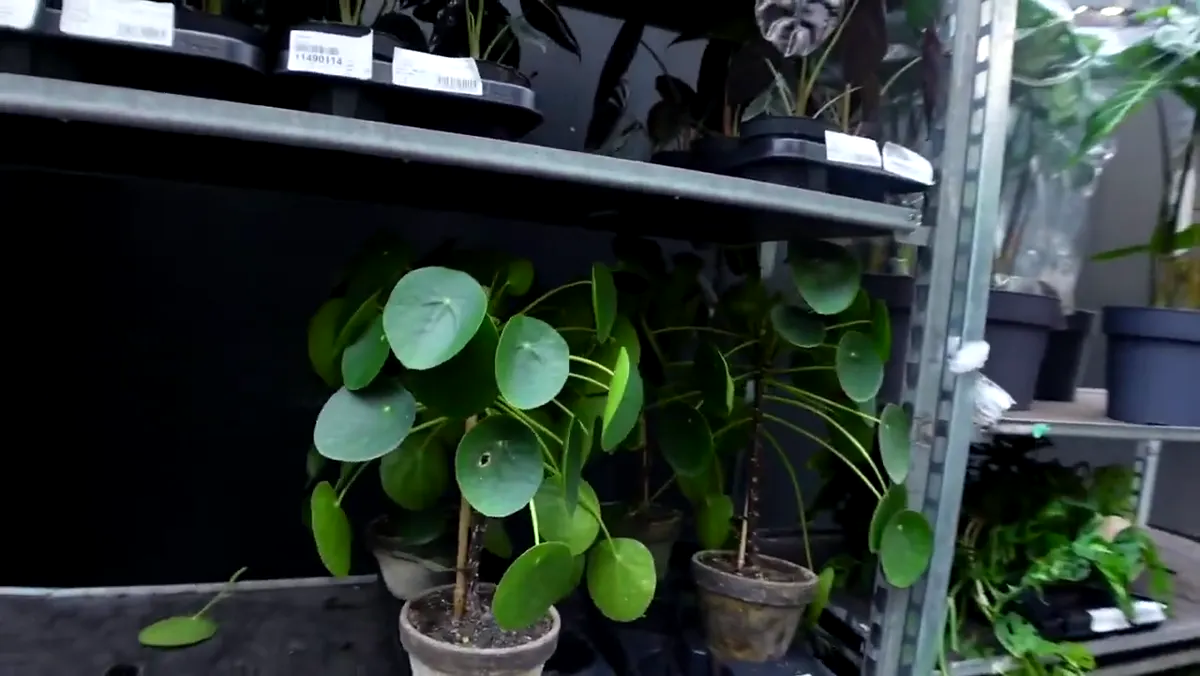
Are they fungus gnats?
Fungus gnats are small, delicate dark flies that spend time around pots and run over the soil surface. Adults are often noticed near windows. Their larvae live in moist organic growing media and feed mainly on fungi and decaying material, though high populations can damage tender roots and seedlings.
Do not confuse them with whiteflies, which are pale and fly from foliage, or fruit flies, which are more strongly associated with fermenting kitchen material.
A control plan that addresses every stage
1. Find the wettest pots
Check plants in decorative cachepots, self-watering reservoirs, dense mixes and low light. Empty drained water. Adjust irrigation to the plant: many common houseplants can dry at the surface before the next thorough watering, but moisture-loving species should not be forced into damaging drought.
2. Monitor adults
Place yellow sticky cards close to the soil. They reduce the adult population and show which pots are most active. Sticky cards alone rarely solve the larvae in the pot.
3. Treat larvae if needed
Beneficial nematodes used according to their label can attack larvae in the growing medium. Products containing Bacillus thuringiensis subspecies israelensis (Bti) are another biological option where registered and sold for this use. Follow Dutch product labels exactly; more is not better.
4. Continue and reassess
Adults already present will keep appearing for a while. Continue monitoring over several weeks, repeat biological controls as directed, and check whether your watering pattern or potting mix keeps recreating ideal conditions.
| Action | Targets | Role |
|---|---|---|
| Moisture correction | Breeding conditions | Core prevention |
| Yellow sticky card | Adults | Monitoring and partial suppression |
| Beneficial nematodes/Bti | Larvae | Biological treatment |
| Fresh, well-draining mix | Chronic wet habitat | Useful only when the mix itself is unsuitable or roots need intervention |
What not to do
- Do not spray random household chemicals into potting mix.
- Do not repot every plant automatically; repotting stresses roots and contaminated conditions can return.
- Do not cover wet soil with a decorative layer that hides moisture without fixing it.
- Do not use a rigid drought rule for ferns, prayer plants or other moisture-sensitive species.
- Do not treat every tiny fly as the same pest, identify it first.